
Persistent pain
Pain that interferes with daily activity, sleep, or independent mobility.
General information about assessment, decision-making, and the care pathway for knee replacement surgery.
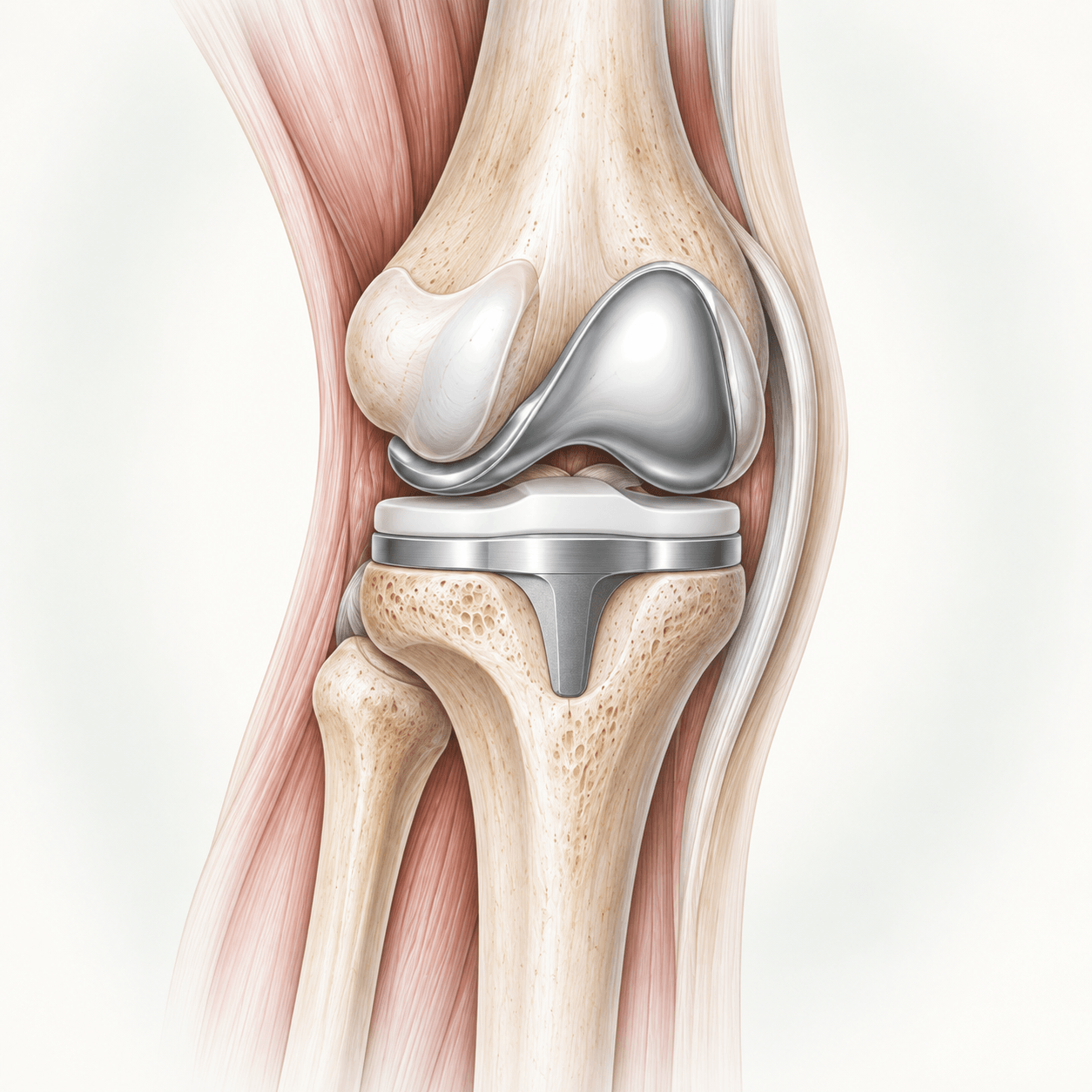

When pain and functional limitations persist, the physician reviews the history, examination, imaging, and previous treatments before discussing options.
Pain that interferes with daily activity, sleep, or independent mobility.
Reduced ability to walk, climb stairs, or complete ordinary activities.
A review of non-surgical treatments already tried and how much they helped.
A surgical decision is not based on a single symptom or image. General health, individual needs, and realistic expectations also matter.
The pattern of pain, movement restriction, and effect on daily activities are assessed.
Medical images and response to previous treatment are reviewed alongside examination findings.
Benefits, limitations, and realistic expectations are explained for each available pathway.
If surgery is chosen, preparation, hospital care, and follow-up are planned around the individual.

Preparation, hospital stay, and rehabilitation are planned according to each patient’s circumstances.
This page provides general information and does not mean this treatment is suitable for every person.
Symptoms, imaging, previous treatment, and individual needs are reviewed together during the assessment.