
01
Injuries inside the joint
Problems such as meniscal injuries or certain cartilage lesions are assessed alongside symptoms, examination, and imaging.
General guidance on assessing injuries inside the knee, the role of arthroscopy, and a planned return to activity.
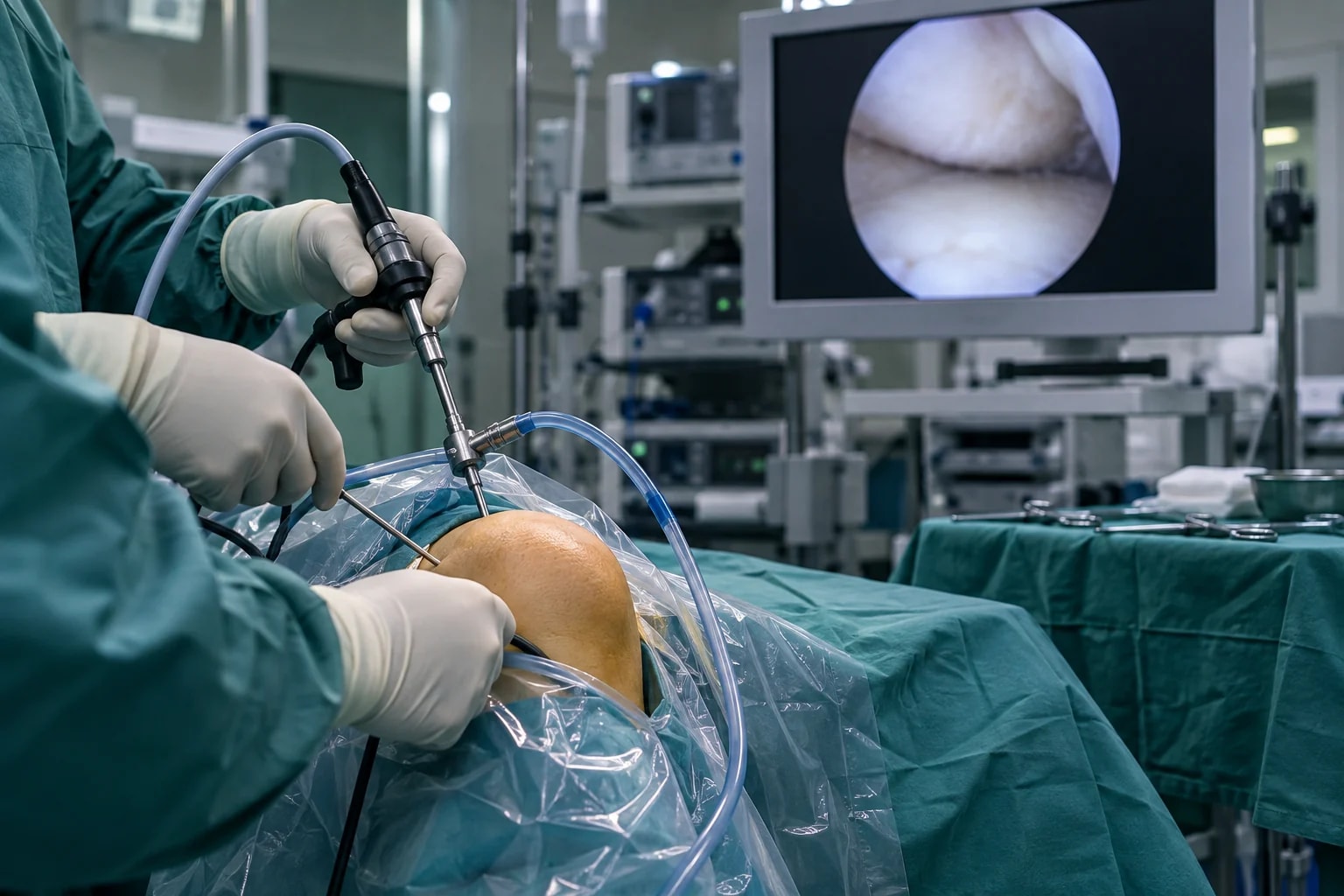
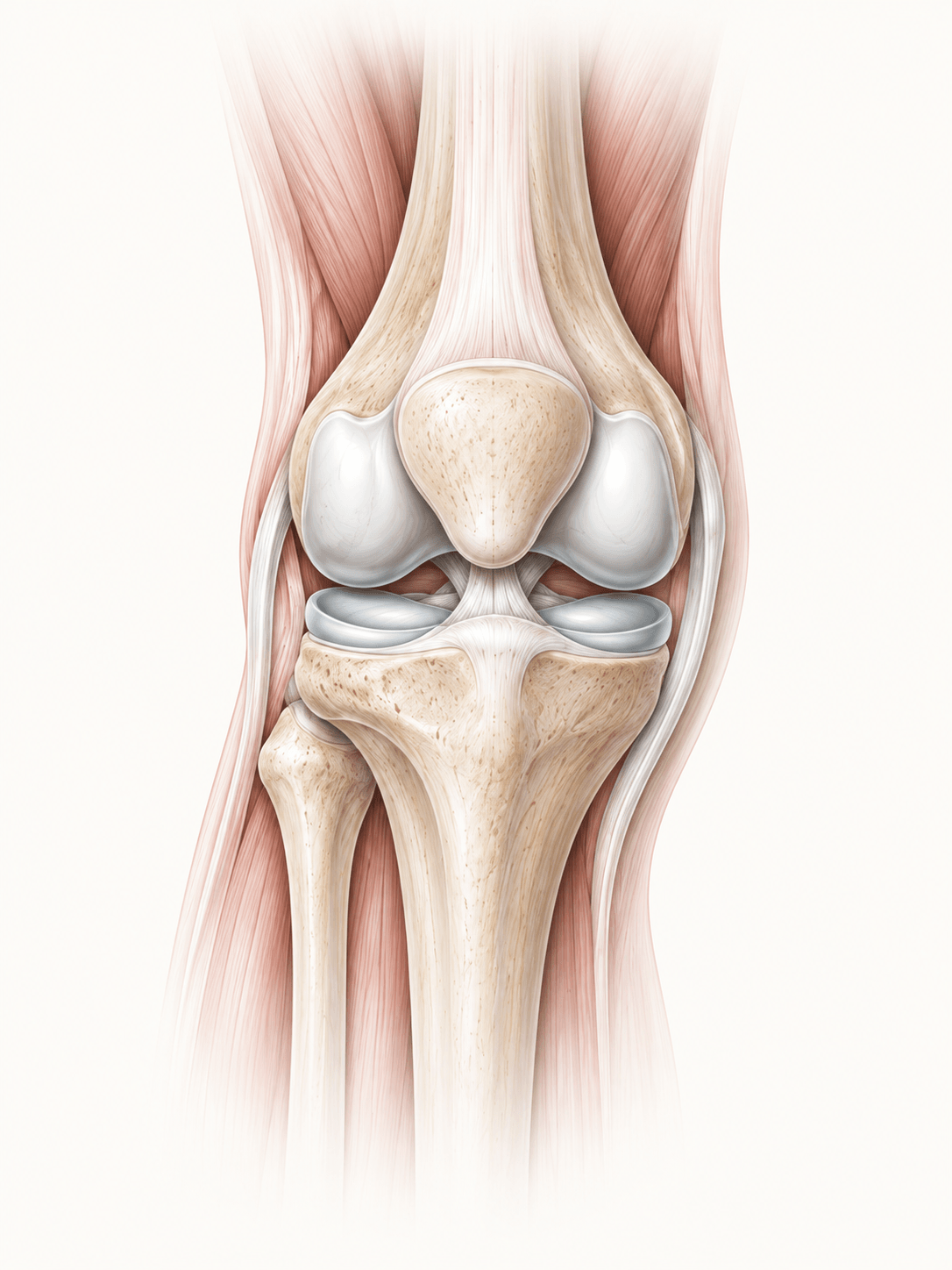
Arthroscopy may be considered when the history, examination, and imaging suggest that looking inside or treating the joint could contribute to care.
Problems such as meniscal injuries or certain cartilage lesions are assessed alongside symptoms, examination, and imaging.
The effect of a sports injury on joint stability and function is assessed in relation to the patient’s activity goals.
Ongoing locking, catching, or restricted movement is assessed to identify the cause and a suitable care path.
The type of injury, activity level, and goal for returning to movement all shape treatment and rehabilitation.
The injury, onset of symptoms, sporting activity, and knee stability are assessed.
Medical images are interpreted alongside examination findings and do not determine treatment on their own.
Non-surgical and surgical options are considered in light of the injury, individual needs, and activity goals.
If arthroscopy is selected, surgery and rehabilitation are planned around the specific injury.
The pace of returning to activity varies with the injury, the procedure performed, general health, and the body’s response to rehabilitation.
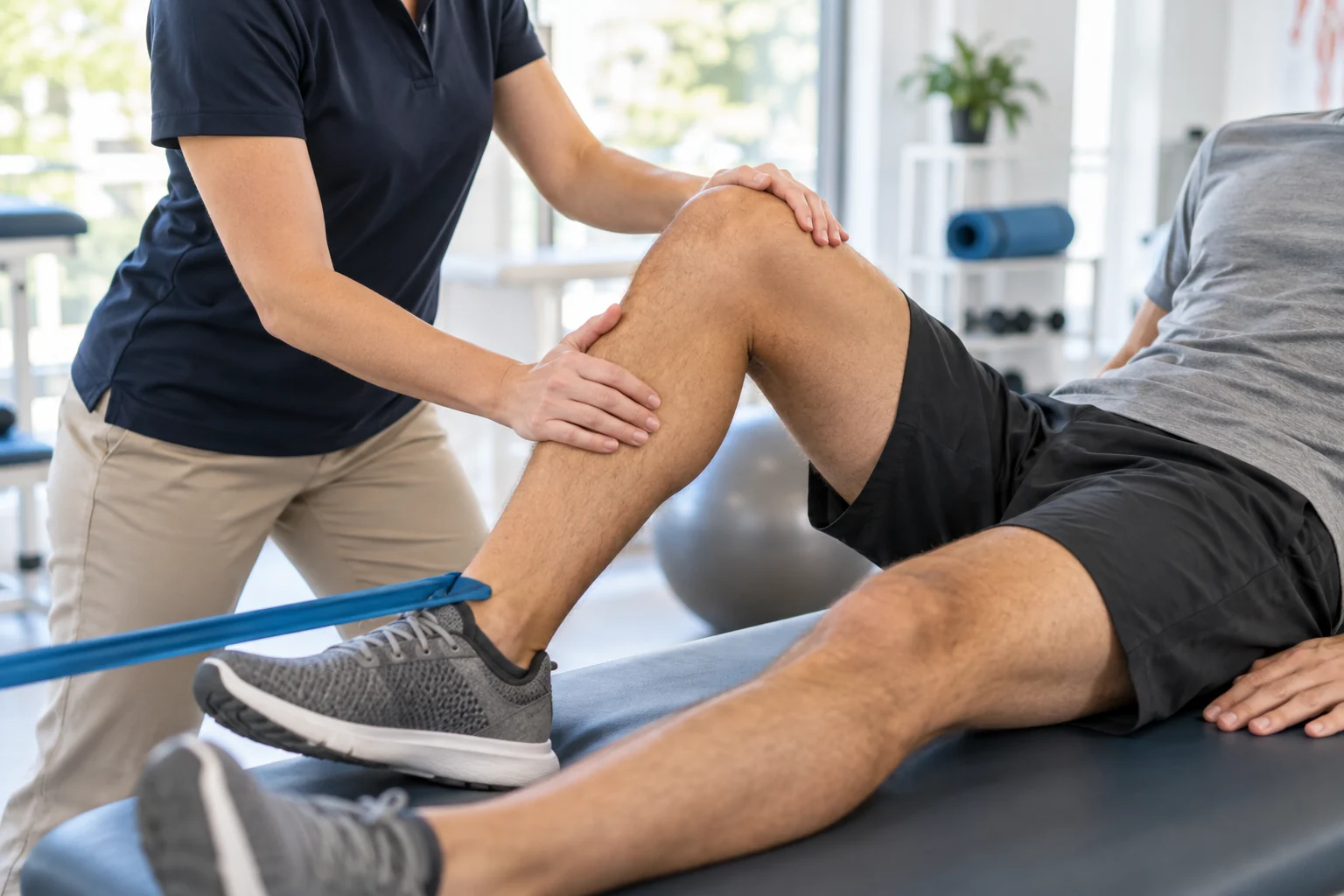
Complete records support a structured review, while the final assessment still depends on the full clinical picture and examination.
Bring previous MRI scans, radiographs, and related reports.
Note previous physiotherapy, medicines, injections, or surgery.
Identify activities that have become limited because of the knee problem.
This page is for general guidance and does not replace an examination, diagnosis, or individual medical advice.
Your symptoms, examination, imaging, and goals for returning to activity are considered together.